Overview
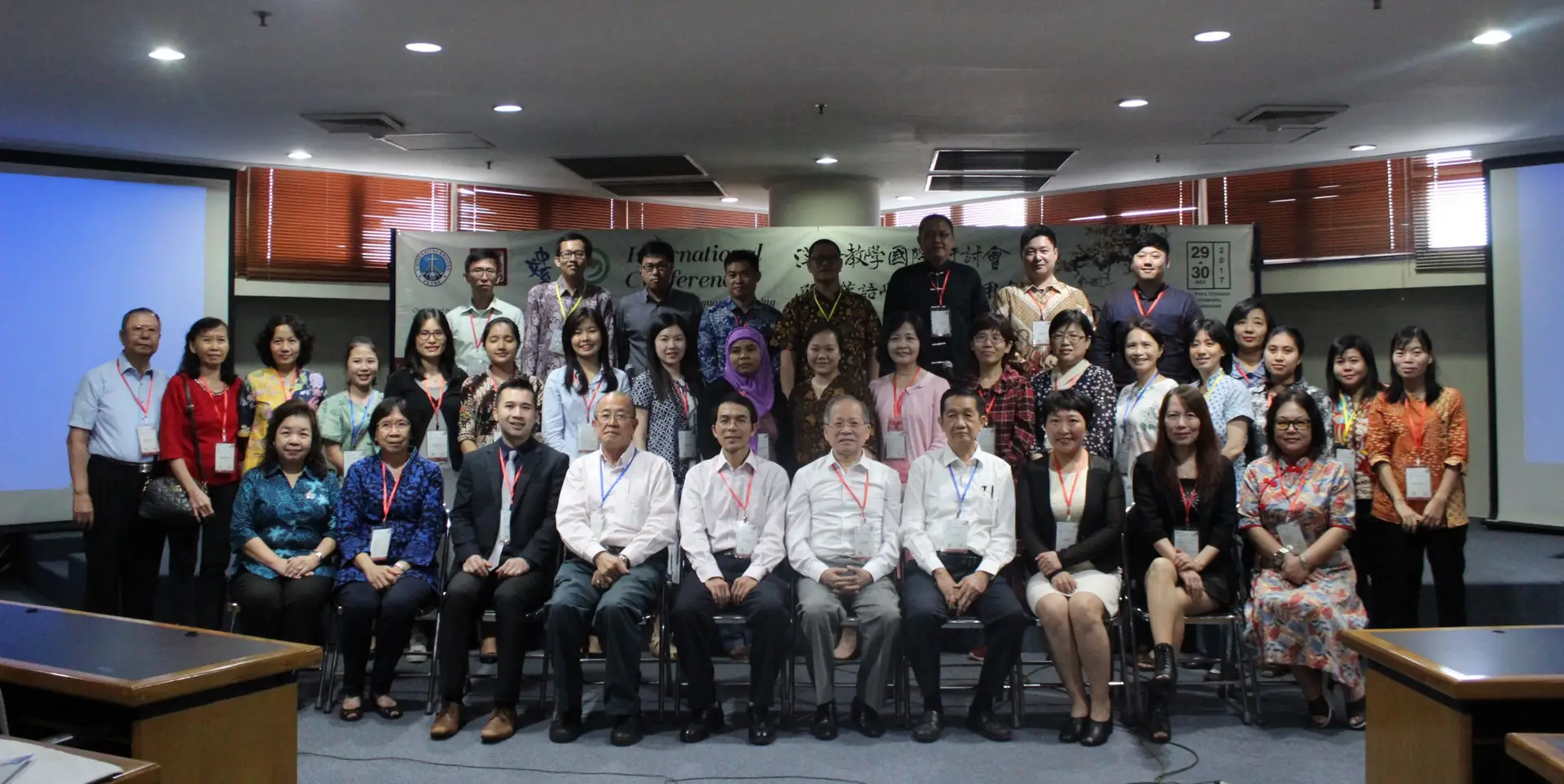
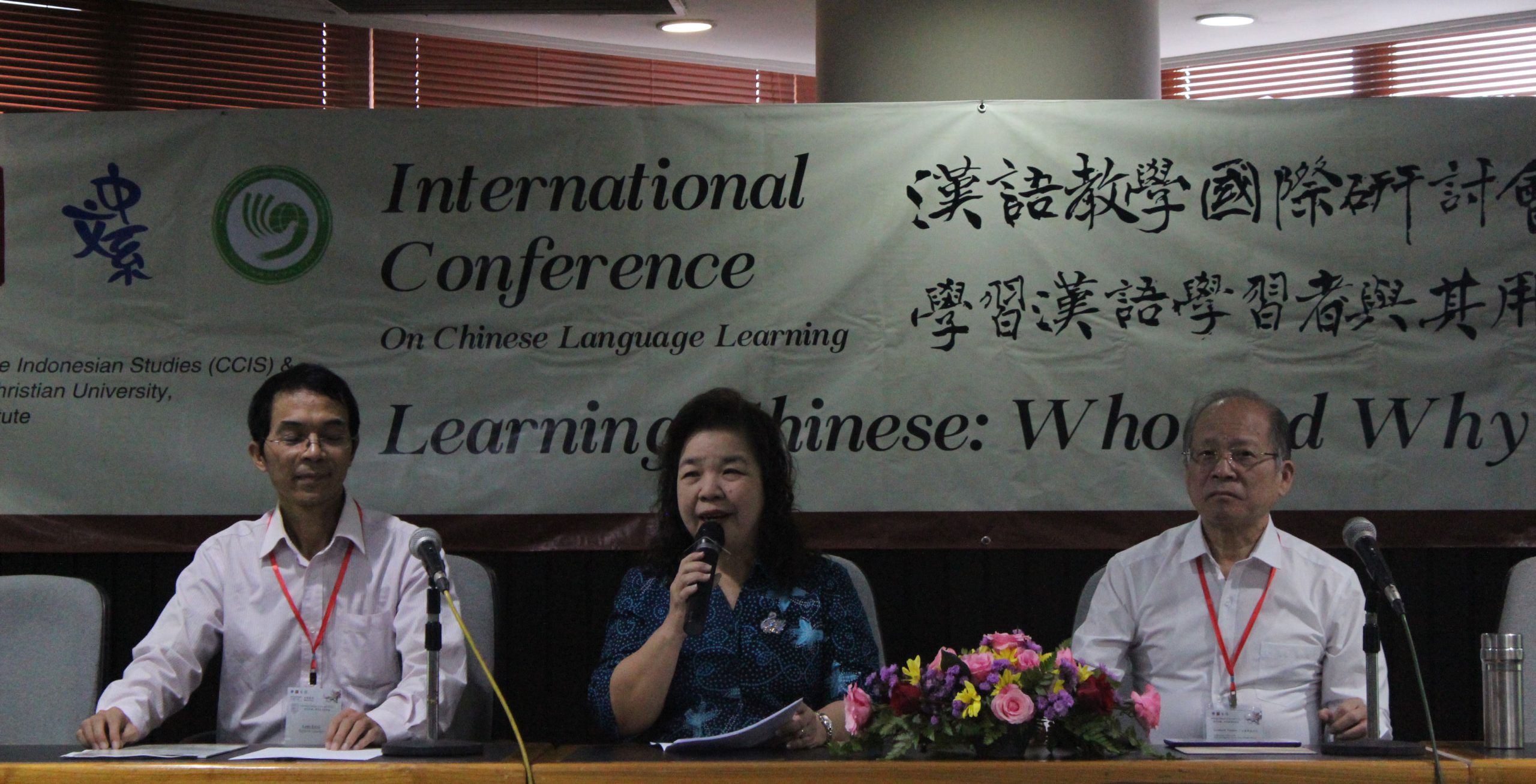
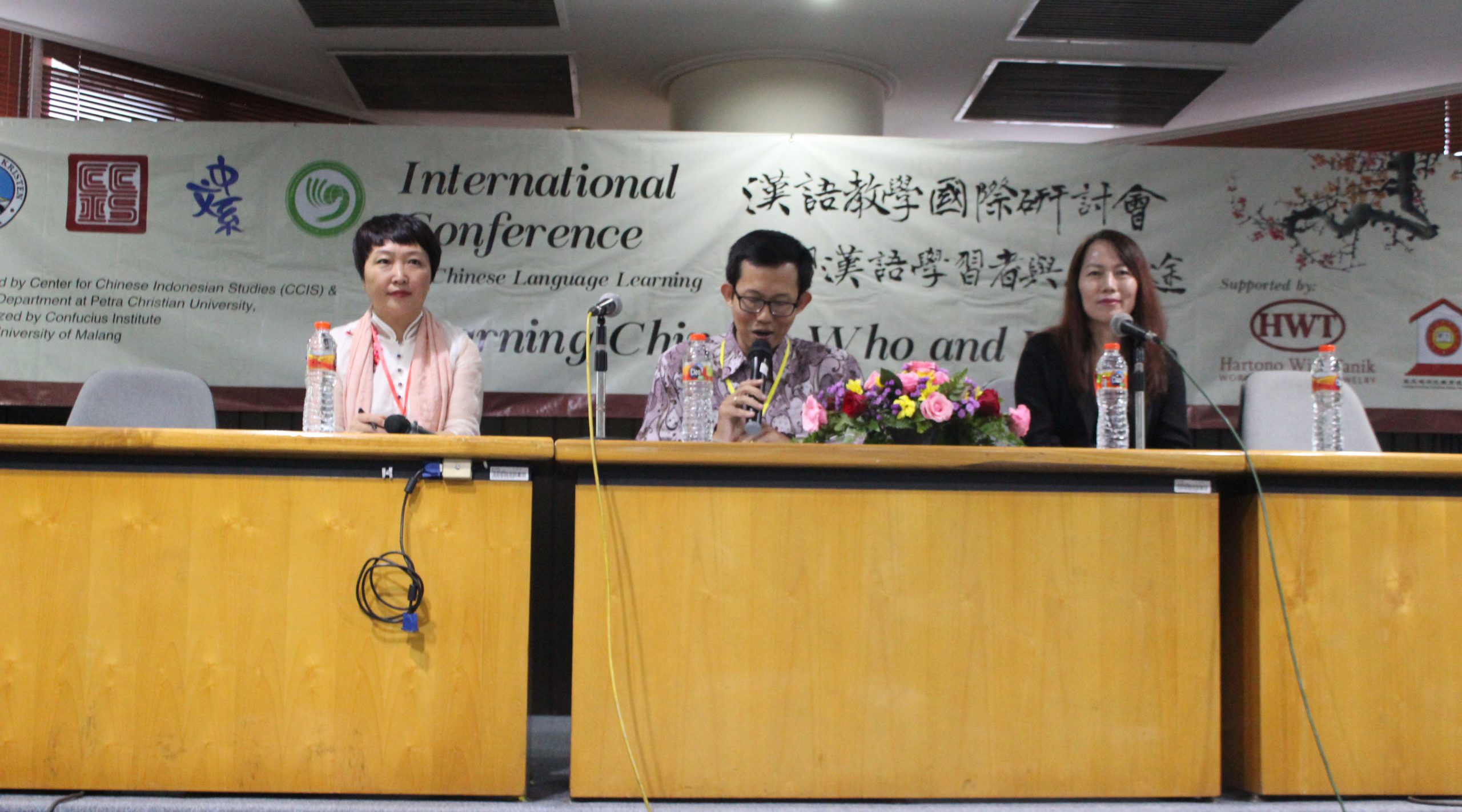
In 2017, against the global backdrop of Chinese language education and research, the Chinese Department at Petra Christian University, in collaboration with the Center for Chinese Indonesian Studies and the Confucius Institute at Universitas Negeri Malang, successfully hosted the first international conference. The conference, themed "Learning Chinese: Who and Why?", delved into the multidimensional roles and significance of Chinese as an international language.
This conference holds special significance in its context. With the rapid development of China's economy and the global spread of the Chinese language, interest in learning Chinese has been growing worldwide. Since Indonesia’s reforms in 1998, Chinese language education has experienced a remarkable revival and development, with learners' backgrounds and motivations becoming increasingly diverse. This conference aims to reflect the diversity of Chinese language learners in the context of globalization, as well as the application and impact of Chinese in various fields.
The conference covered a wide range of subtopics, such as "Chinese as an International Language," "Chinese as a Business Language," and "Chinese as an Academic Language," addressing the application and significance of Chinese in different fields. These topics not only explored the functional role of Chinese as a tool but also delved into its deeper value as a marker of culture and identity.
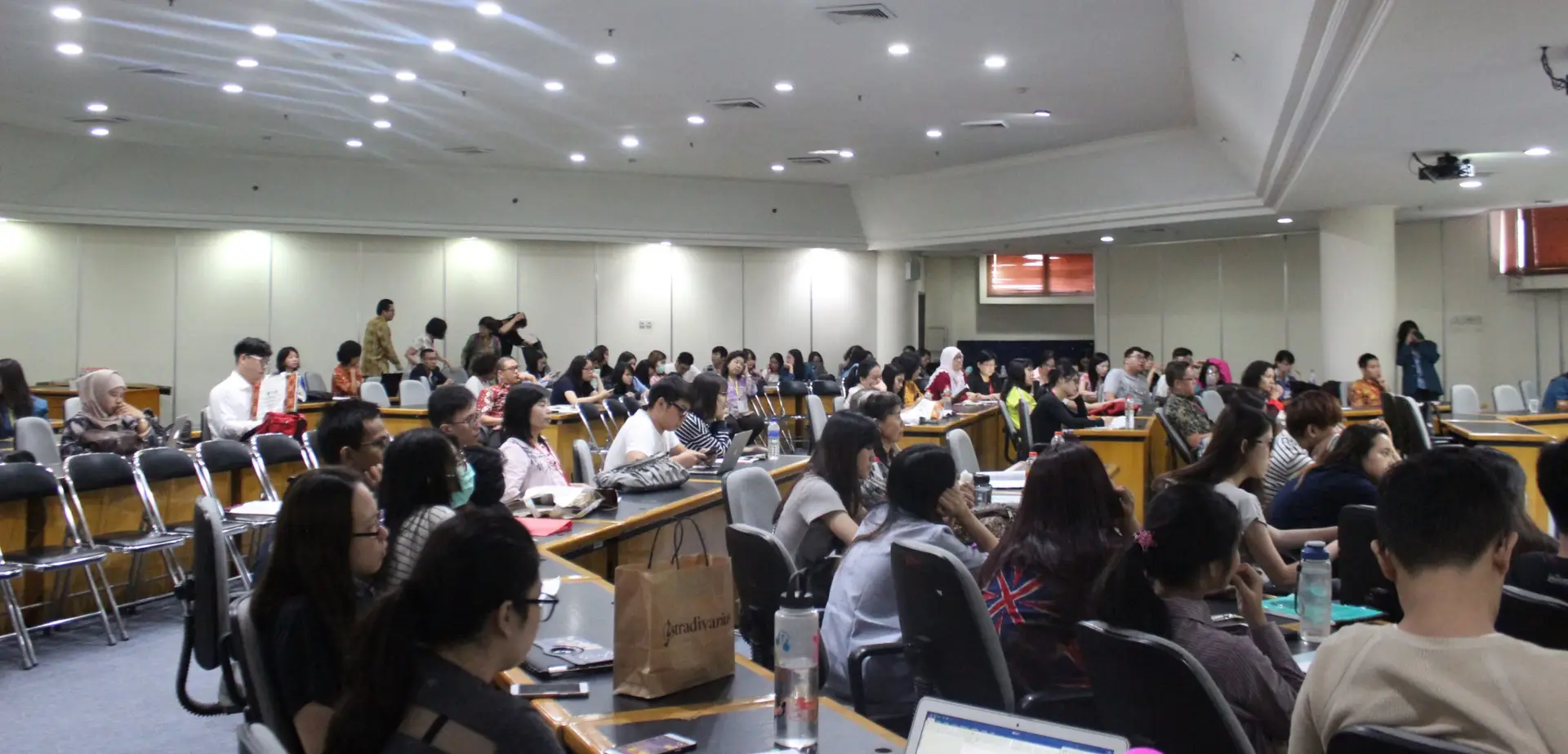
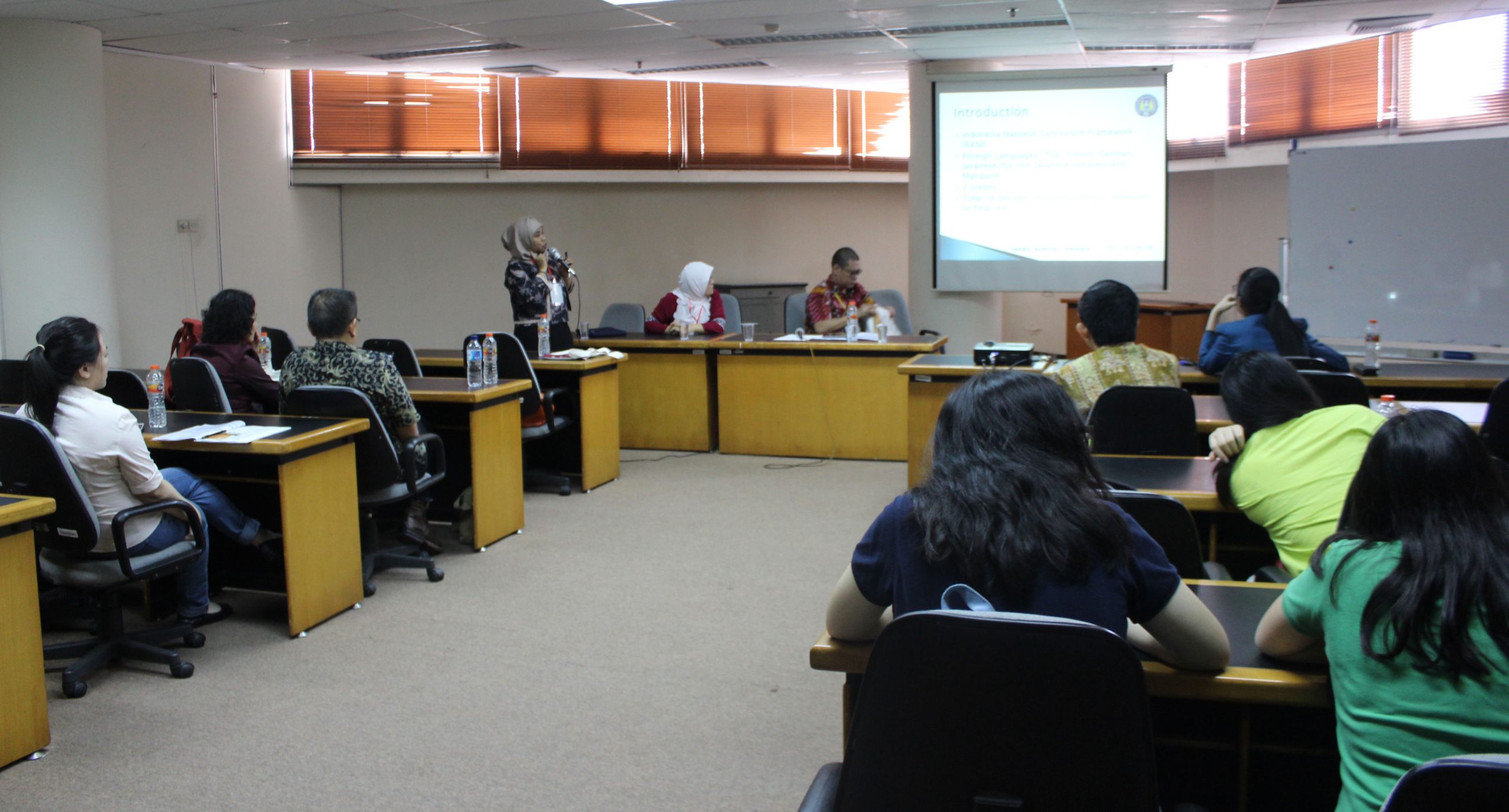
We were honored to invite experts from East China Normal University, Guangxi Normal University, the Institute of Asian Studies at Universiti Brunei Darussalam, and Petra Christian University as keynote speakers. The conference attracted 75 participants from countries such as Indonesia, China, and Malaysia, with a total of sixteen high-quality papers presented. Following the conference, we published a proceedings book containing these papers to document and disseminate the academic outcomes of this event.
———
As globalization and information technology continue to advance rapidly, new opportunities and challenges have emerged for Chinese language education. Globally, the enthusiasm for learning Chinese continues to rise. While traditional teaching methods have played an essential role in Chinese language education, we must explore new teaching approaches to meet the evolving needs of modern learners. How to innovate teaching techniques and improve learning outcomes has become a key issue in the field of Chinese language education.
In the era of digital intelligence, the widespread use of online teaching and digital resources has provided new possibilities for innovation in Chinese education. The development of educational technology, such as artificial intelligence and virtual reality, has injected fresh energy into the transformation of teaching methods.
This upcoming conference will once again bring together experts, scholars, and practitioners from around the world to share the latest research findings and experiences. Through in-depth discussions and exchanges, we aim to promote the innovative development of Chinese language education, enhance teaching quality, and further the global dissemination and influence of the Chinese language.
Conference Organizers
Chinese Department at Petra Christian University, Indonesia, and the College of Arts/School of Journalism and Communication at Guangxi Normal University, National Language and Script Promotion Base, China, jointly host the conference.
Conference Theme:Chinese Learning and Media Integration in the Digital Age
The conference includes but is not limited to the following topics:
- Application of Information Technology in Chinese Language Teaching
- Chinese Language Education Models in the Era of Digital Intelligence
- Exploration of Diverse Teaching Methods
- Chinese Language Education and Cultural Communication
- Professional Development of Chinese Language Teachers
- Innovation and Development of Chinese Language Teaching Materials
- Challenges and Opportunities in Chinese Language Education
- Cross-Cultural Communication and Chinese Language Teaching
- The Impact and Opportunities of Social Media Platforms on Chinese Language Learning
- The Role of Digital Storytelling and Multimedia in the Dissemination of Chinese Culture
Keynote Speakers
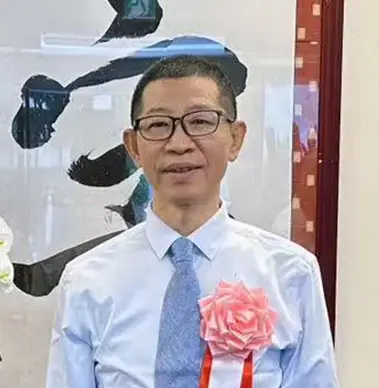
Prof. Wang Hanwei
Profile of Wang Hanwei:Ph.D., native of Longyao, Hebei. Professor at the College of Chinese Language and Culture, Jinan University, doctoral supervisor, and postdoctoral co-supervisor. With nearly 30 years of experience in overseas Chinese language education and international Chinese language teaching, he have led several prominent projects, including one from the Ministry of Education, a key project from the National Social Science Fund, and a major project from the Overseas Chinese Affairs Office. He have authored six books, edited one series, contributed to several publications, and published over 50 papers. His research focus is on modern Chinese character teaching and research. Integrating linguistics and literature, they have created a poetry collection, *Zi Poetry*, for Chinese language teaching, which includes nearly 2,000 commonly used Chinese characters.
Speech Topic:Learning Chinese Through 'Focused Character Recognition'—Why Not Give It a Try?
Overview:"Focused Character Recognition" versus "Distributed Character Recognition" is a critical issue that affects theories of Chinese language teaching, the structure of teaching materials, teaching models, and overall effectiveness. Character recognition is not a simple matter of learning characters; effective character teaching is at the heart of Chinese language instruction. It is rooted in the written language and encompasses listening and speaking, aiming for comprehensive development in listening, speaking, reading, and writing skills. A well-rounded approach to character recognition can significantly enhance language proficiency across all these domains.

- Ph.D. degree:马来西亚博特拉大学现代语文暨大众传播学院外文系文学博士
- Master's degree: Department of East Asian Studies at the University of Malaya
- Bachelor's degree: Honors Bachelor's degree in Chinese Studies from the University of Malaya
Research Areas:
- Chinese classical novels
- Chinese business culture
- Malaysian Chinese literature
- Overseas Chinese literature
Work Experience:
- Associate Professor in the Department of Chinese Studies, New Era University College
- Former Visiting Professor at the School of Economics, Soka University, Japan
- Served as Deputy Director of the Registrar's Office (Academic Affairs Division) and Head of the Department of Chinese Studies at New Era University College.
Academic Contributions:
- Editor-in-Chief of the *Malaysian Journal of Humanities and Social Sciences*
- Published numerous academic papers and books
- Participated in numerous academic conferences both domestically and internationally, delivering presentations.
Social Positions:
- Vice President of the Malaysian Chinese Writers Association
- Engaged in various community service initiatives and professional review activities.
Professor Wu Yanling is dedicated to promoting Chinese language education and literary research, making significant contributions to the development of Malaysian Chinese literature.
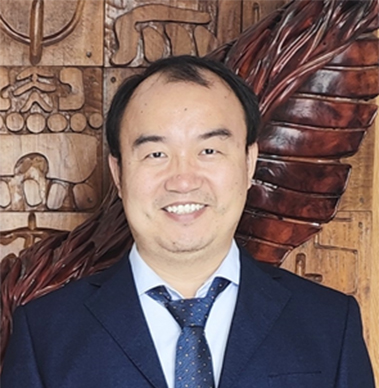
Prof. Lü Junwei
**Profile of Lü Junwei:**Dr. Lü Junwei holds a Ph.D. in Linguistics from Xiamen University and is currently a Professor and Master's Supervisor at the School of Humanities / School of Journalism and Communication, Guangxi Normal University. He serves as the Director of the Linguistics and Applied Linguistics Teaching and Research Division and the Head of the Research Department at the National Language Promotion Base within the university. Recognized as an "Outstanding Young and Middle-aged Scholar in Language and Character Application Research" by the National Language Commission, Dr. Lü has also been a visiting scholar at City University of Hong Kong and Southwest University. He is listed in the Expert Database of the National Social Science Fund of China and the National Language Commission Young and Middle-aged Experts Database. With over ten years of experience in international Chinese language education, Dr. Lü’s research focuses on language elements and pedagogy in international Chinese education. He has led two projects funded by the National Social Science Fund and three provincial and ministerial-level projects funded by the National Language Commission. His academic contributions include three monographs, two edited academic volumes, and a set of Mandarin Oral Training textbooks (6 volumes). Dr. Lü has published over 60 academic papers.
Presentation Topic:The Digital and Intelligent Development of International Chinese Education and Issues in Its Digital-Intelligent Teaching Models
Overview:The digital-intelligent transformation of international Chinese education refers to the gradual shift from information-based and digital approaches toward smart and intelligent systems. This transformation aims to enhance the teaching and learning abilities of both teachers and students by integrating digital-intelligent technologies, such as artificial intelligence, big data, blockchain, and the metaverse, into international Chinese education. It also seeks to develop complementary digital-intelligent teaching resources and establish a comprehensive digital-intelligent Chinese teaching model and ecosystem. Currently, the digital-intelligent approach to teaching and research in international Chinese education remains in its early stages, facing numerous issues and challenges. In the digital-intelligent era, constructing regionally and locally adapted Chinese digital-intelligent teaching models has become a prevailing trend. Examining the development and current state of digital-intelligent approaches in international Chinese education and identifying existing issues will help to devise appropriate strategies based on digital-intelligent concepts and theoretical models.

Elisa Christiana, B.A., M.A., M.Pd.
Ms. Elisa Christiana is a lecturer in the Department of Chinese at Petra Christian University in Indonesia and currently serves as the Director of the International Office at Petra Christian University.
After earning her Bachelor’s and Master’s degrees in the Department of Chinese Language and Literature at Huaqiao University in China, Ms. Elisa Christiana pursued further studies in Language and Literature Education at the State University of Surabaya to enhance her skills in teaching and education, where she obtained a Master’s degree in Education. Alongside her extensive knowledge, Ms. Elisa brings 30 years of rich experience in Chinese language education. Her achievements have been recognized widely, earning her numerous awards both domestically and internationally. Her passion for the Chinese language, literature, and Chinese culture drives her continuous creativity and dedication to the Department of Chinese at Petra Christian University.
Mission and Objectives
Mission:
To promote the innovative development of Chinese language education, enhance teaching quality, and advance the global dissemination and influence of the Chinese language.
Objectives:
Exploring innovative teaching methods: Research and develop new teaching methods and models to meet the evolving needs of modern learners.
Integrating educational technology: Utilize advanced technologies such as artificial intelligence and virtual reality, along with online teaching and digital resources, to revolutionize Chinese language teaching methods.
Sharing research outcomes: Bring together experts, scholars, and practitioners from around the world to share the latest research findings and teaching experiences.
Enhancing international collaboration: Through in-depth exchanges and discussions, establish collaborative relationships in the global field of Chinese language education.
Improving teaching outcomes: Enhance the quality and efficiency of Chinese language teaching to meet the growing global demand for learning Chinese.
Gallery from Past Event